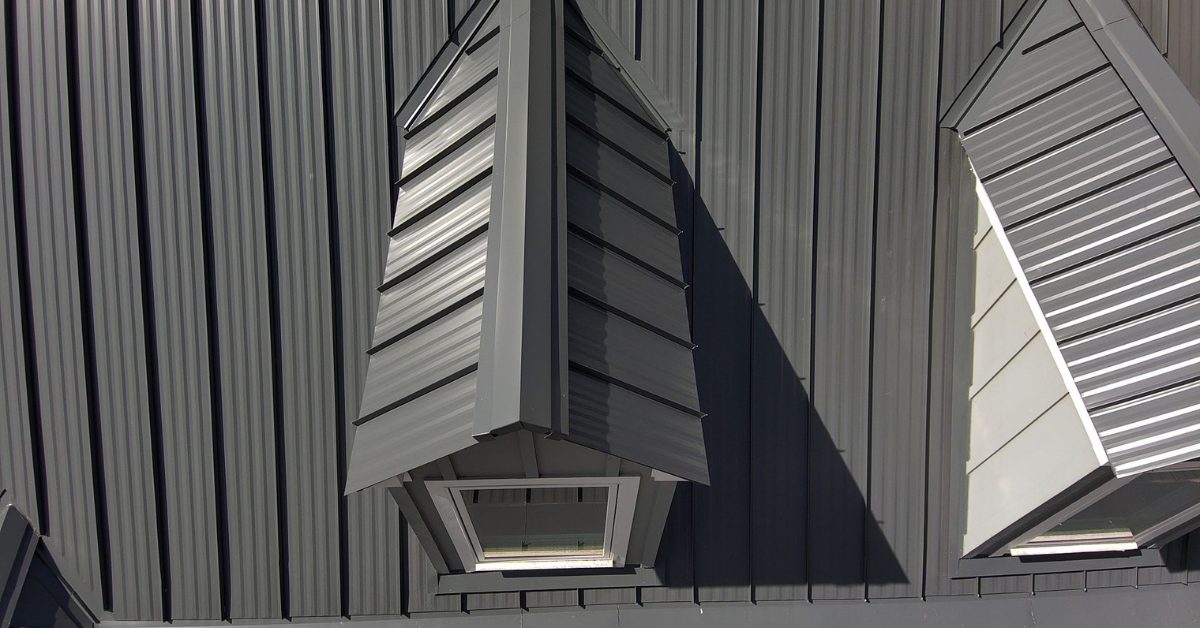
What Inspectors Commonly Find
Understanding the issues a metal roof inspection typically turns up helps a Centennial homeowner see the value of catching them early. Here are the common findings.
Loose or Worn Fasteners
On exposed-fastener roofs, loosened or backed-out screws and cracked, hardened washers are among the most common findings, since years of expansion and contraction work on them. Caught early, they are a simple, inexpensive fix, but left alone, they are a frequent source of leaks. This is one of the most valuable things an inspection catches.
Failing Sealant
Sealant at seams, penetrations, and flashing breaks down over time, and inspectors often find it cracked, dried, or pulling away. Resealing these points before they fail prevents leaks at some of the most common spots. Finding failing sealant early is a routine but important outcome of an inspection.
Flashing Issues
Because flashing is where roofs most often leak, inspectors frequently find issues there, corrosion, lifting, or gaps around chimneys, vents, and valleys. Catching flashing problems early heads off what could become a significant leak. This is one of the more important categories of finding.
Minor Damage and Debris
Inspectors also commonly find minor panel damage, finish wear, and debris buildup in valleys or against penetrations that traps moisture. None of these may be urgent, but addressing them, clearing debris, noting finish wear, keeps the roof healthy and prevents future problems. These smaller findings are part of keeping the roof in good shape.
Common Findings, in Brief
Inspections commonly turn up loose or worn fasteners, failing sealant, flashing issues, and minor damage or debris, all of which are far cheaper to address when caught early. Finding them is exactly the point of an inspection.
One thing worth emphasizing for Centennial homeowners is that the value of a metal roof inspection lies largely in the issues you cannot see from the ground or would not recognize without experience. A metal roof can look perfectly fine from the driveway while a washer up near a penetration has cracked and hardened, or a bead of sealant at a flashing joint has dried and pulled away, or a length of flashing in a valley has begun to corrode. None of these announce themselves until water starts coming in, and by then the small, cheap fix has become a leak that may have already damaged the decking, insulation, or interior. This is precisely why a periodic professional inspection is such a sensible thing to do even for a low-maintenance roof, it brings a trained eye to exactly the points where metal roofs develop trouble, at a stage when addressing them is quick and inexpensive. The homeowner's role is to stay aware of warning signs, a ceiling stain, visible damage after a storm, debris piling up, and to call for an inspection when something seems off or when it has simply been a while. That combination of homeowner awareness and professional inspection keeps a metal roof watertight and on track for the decades of service it is built to provide.
It also helps Centennial homeowners to know what separates a trustworthy inspection from a questionable one, because the offer of a free inspection is sometimes used as a way to get in the door and then push unnecessary work. A genuine, reputable inspection has a few hallmarks. It is thorough, checking the whole roof system rather than glancing at the obvious. It produces honest findings, including the entirely good news that the roof is sound when that is the case, rather than manufacturing problems to justify a sale. It explains any findings clearly, with a straight sense of how urgent each one is, so you can prioritize sensibly. And it leaves the decision to you, with no high-pressure tactics. A free inspection that turns into an aggressive sales pitch, that insists on extensive work or replacement before a careful look, or that seems more interested in an insurance payout than your roof, is a warning sign worth heeding. The right inspector treats the inspection as a service that builds trust, giving you accurate information about your roof and letting you act on it at your own pace, which is exactly how a free assessment should work.
One thing worth emphasizing for Centennial homeowners is that the value of a metal roof inspection lies largely in the issues you cannot see from the ground or would not recognize without experience. A metal roof can look perfectly fine from the driveway while a washer up near a penetration has cracked and hardened, or a bead of sealant at a flashing joint has dried and pulled away, or a length of flashing in a valley has begun to corrode. None of these announce themselves until water starts coming in, and by then the small, cheap fix has become a leak that may have already damaged the decking, insulation, or interior. This is precisely why a periodic professional inspection is such a sensible thing to do even for a low-maintenance roof, it brings a trained eye to exactly the points where metal roofs develop trouble, at a stage when addressing them is quick and inexpensive. The homeowner's role is to stay aware of warning signs, a ceiling stain, visible damage after a storm, debris piling up, and to call for an inspection when something seems off or when it has simply been a while. That combination of homeowner awareness and professional inspection keeps a metal roof watertight and on track for the decades of service it is built to provide.
It also helps Centennial homeowners to know what separates a trustworthy inspection from a questionable one, because the offer of a free inspection is sometimes used as a way to get in the door and then push unnecessary work. A genuine, reputable inspection has a few hallmarks. It is thorough, checking the whole roof system rather than glancing at the obvious. It produces honest findings, including the entirely good news that the roof is sound when that is the case, rather than manufacturing problems to justify a sale. It explains any findings clearly, with a straight sense of how urgent each one is, so you can prioritize sensibly. And it leaves the decision to you, with no high-pressure tactics. A free inspection that turns into an aggressive sales pitch, that insists on extensive work or replacement before a careful look, or that seems more interested in an insurance payout than your roof, is a warning sign worth heeding. The right inspector treats the inspection as a service that builds trust, giving you accurate information about your roof and letting you act on it at your own pace, which is exactly how a free assessment should work.
Find Out What Yours Needs
An inspection tells you which, if any, of these your roof has. Centennial Metal Roofing provides free metal roof inspections across Centennial and Hamilton County, catching common issues while they are small. Call {phone} to schedule one and get an honest read on your roof's condition.